
The Complete Corporate Offsite Planning Checklist for HR Managers
Planning a corporate offsite well is genuinely harder than it looks from the outside. It’s not just logistics venue, transport, food it’s designing something that actually produces the outcome leadership is expecting, whether that’s better team cohesion, leadership development, or simply a well-earned reset after a demanding period. This checklist covers the parts that most planning guides skip

Step 1: Define the Actual Objective First
Before booking anything, write down, specifically, what problem this offsite is meant to solve. “Team bonding” is too vague to design around. “Our two newly merged sales teams don’t trust each other yet and it’s slowing down deal handoffs” is specific enough to actually plan against. If you can’t articulate the objective in one clear sentence, it’s worth pausing here before moving to logistics, because everything downstream activities, facilitator briefing, even venue choice depends on getting this right.
Step 2: Decide Between Bonding, Building, or Both
Once the objective is clear, determine whether you need relationship-focused bonding activities, performance-focused team building activities with structured debriefs, or a mix of both. This decision shapes the entire itinerary, so it’s worth locking in before you start evaluating venues or vendors.
Step 3: Set a Realistic Budget That Includes Facilitation, Not Just Logistics
A common planning mistake is budgeting heavily for venue and food while treating facilitation as an afterthought. If genuine behavioural change is part of the goal, skilled facilitation is where most of the actual value is created it’s worth protecting that part of the budget rather than cutting it to afford a nicer venue.
Step 4: Choose a Venue That Matches the Objective, Not Just the Aesthetic
A beautiful resort with excellent amenities isn’t automatically the right choice if it doesn’t support your actual goals. For genuine behavioural or leadership-focused outcomes, look for venues purpose-built for structured training dedicated activity zones, experienced facilitation teams rather than leisure resorts that have simply added a “corporate package” to their offerings. For Mumbai and Pune-based companies, this is a big part of why destinations like Kolad have become a standard choice: close enough for a manageable one or two-day trip, far enough to create genuine distance from office distractions, and increasingly built around dedicated training infrastructure rather than purely leisure amenities.
Step 5: Build the Itinerary around a Clear Arc
A well-structured offsite typically follows a rhythm rather than a random list of activities:
- Arrival and warm-up low-stakes activities that help the group settle in and re-establish comfort working together, especially important if the team has been through a stressful period
- Core structured challenges activities specifically chosen to address your defined objective, ideally two or three well-run challenges rather than a packed schedule of ten rushed ones
- Facilitated debriefs woven throughout, not saved entirely for the end insight tends to compound better when reflection happens close to the activity that generated it
- Unstructured time deliberately built-in space for informal bonding, meals, and rest, since a fully packed schedule leaves no room for the organic conversations that often matter as much as the planned activities
- A closing session a chance for the group to consolidate what they’ve learned and, ideally, name specific commitments they’ll carry back to work.
Step 6: Brief the Facilitator Thoroughly Before the Program
This is one of the most commonly skipped steps. A facilitator who understands your team’s actual dynamics who the quiet influencers are, what specific tension exists, what leadership is hoping to see change can tailor debrief questions and activity choices far more effectively than one working from a generic brief. Share honestly, in advance, what’s actually going on with the team, even the uncomfortable parts.
Step 7: Plan Logistics with Enough Buffers
Travel time, accommodation, dietary requirements, and weather contingencies (particularly for outdoor programs) all need real buffer built in, not optimistic best-case planning. For programs involving physical activities, confirm participant fitness or any accessibility needs in advance so the itinerary can be adjusted rather than causing awkward exclusions on the day.
Step 8: Communicate the Purpose to Participants Beforehand
Employees arriving at an offsite without context tend to treat it as either a mandatory chore or a pure holiday, and both reactions reduce genuine engagement with the program. A short note beforehand what the offsite is for, roughly what to expect, and why leadership is investing in it sets a more receptive tone than a surprise itinerary on arrival.
Step 9: Capture Observations during the Program, Not Just After
If HR or leadership representatives are attending, encourage them to note specific moments during activities and debriefs not to interrupt the facilitator’s process, but to have concrete examples to reference afterward when reinforcing lessons back at the office. Vague memories of “it was a great day” fade fast; specific moments (“remember when the team almost missed the deadline because no one wanted to make the final call”) are far more useful reference point’s months later.
Step 10: Plan the Follow-Through before the Offsite Even Happens
The single biggest determinant of whether an offsite creates lasting change is what happens in the weeks after it, not during it. Before the program even starts, decide how you’ll reinforce it: will managers reference specific moments from the offsite in one-on-ones, will there be a follow-up session to check on commitments participants made, will leadership visibly model the behaviours discussed. An offsite without a follow-through plan tends to produce a great memory and very little lasting change.
Step 11: Set Realistic Expectations with Leadership
It’s worth being honest with whoever’s sponsoring the offsite budget that a single day, however well designed, won’t permanently fix a deep-rooted team dysfunction. What it can realistically do is create a shared experience, surface specific insights, and give the team a concrete starting point for change provided that starting point is actually reinforced afterward. Setting this expectation upfront avoids disappointment later and protects the credibility of future offsite investments.
Step 12: Measure Something, Even Informally
Decide beforehand what you’ll actually check afterward team sentiment, decision-making speed, a specific recurring friction point so you have some basis for evaluating whether the investment paid off, rather than relying purely on how enjoyable the day felt in the moment.
A Final Note on Getting This Right
The offsites that actually produce lasting change share a common pattern: a clearly defined objective, a venue and provider chosen to match that objective rather than just aesthetics, genuine facilitation quality, and a deliberate plan for reinforcement afterward. Skip any one of these and you’ll likely still get a pleasant, well-attended day out just not the organisational change you were actually hoping to fund.

Transforming teams from ordinary to extraordinary, one adventure at a time!
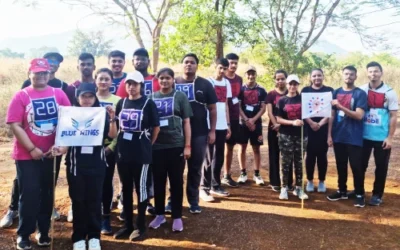
5 Team Building Activities for Employees that Boost Productivity
Employee productivity doesn’t just depend on individual skills, it thrives when teams communicate effectively, trust one another, and collaborate with purpose. Traditional training programs inside boardrooms often fall short of creating meaningful behaviour change....
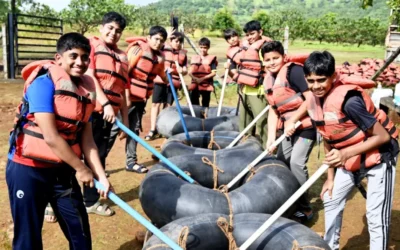
Summer Camp in Kolad near Mumbai & Pune: A Perfect Blend of Adventure, Learning and Growth for Kids
Summer vacations are more than just a break from school—they are an opportunity for children to explore, learn, and grow beyond classrooms. If you’re searching for a safe, enriching, and adventure-filled summer camp near Mumbai or Pune, Kolad stands out as an ideal...

Beyond Policies & Perks: Why Corporate Culture Defines Success and How Outbound Training Strengthens It
Corporate culture isn’t just an internal value — it’s a strategic advantage. Organizations with a strong, positive work culture attract better talent, achieve higher productivity, retain employees longer, and exhibit greater innovation. In fact, several studies show...

Address:
Camp Office: 263, Sutarwadi, Taluka Roha, Distt Raigad, Maharashtra – 402 304.
Camp Site: Village Kudli, 14 Km Off Kolad, Taluka Roha, Distt Raigad, Maharashtra – 402 308.
Office Hours: 8 am to 8 pm