
What Makes Army Veteran-Led Corporate Training Different?
Corporate training has no shortage of facilitators with impressive academic credentials MBAs, certified coaching qualifications, years of consulting experience. What’s rarer, and what tends to change the actual quality of a program most, is a facilitator who has led people through genuinely consequential situations. That’s the specific difference Army veteran-led training brings, and it’s worth understanding exactly why it matters rather than treating it as a marketing tagline.
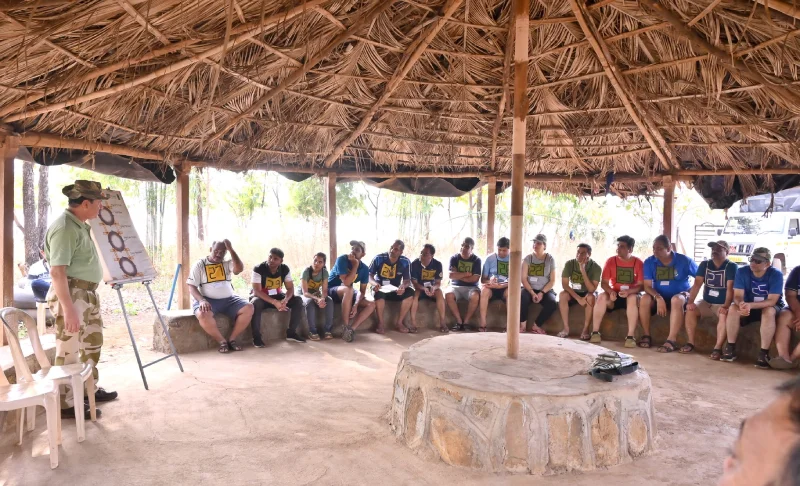
The Difference between Studying Leadership and Living It
Most corporate trainers have studied leadership extensively frameworks, case studies, models of team dynamics. That knowledge has real value. But there’s a meaningful gap between understanding leadership theory and having actually led people through situations where the stakes were real: incomplete information, genuine time pressure, consequences that mattered beyond a training room.
Army veterans bring the second kind of experience. Officers who’ve commanded units have had to make fast decisions with limited visibility, manage people’s fear and hesitation in real crises, take responsibility for outcomes that genuinely mattered, and rebuild trust and cohesion in teams under far higher stakes than any corporate scenario will ever involve. That experience doesn’t just add credibility it changes what a facilitator notices during a training exercise and the specificity of the feedback they’re able to give.
Discipline That Comes From Practice, Not Theory
Military training instills a particular relationship with discipline not rigid rule-following, but the practiced ability to execute consistently even when motivation dips or conditions get difficult. This shows up in how Army veteran facilitators run a program: structured, purposeful, with a clear sense of why each activity exists and what it’s meant to surface, rather than a loosely improvised sequence of “fun” exercises.
This discipline also extends to how debriefs are run. A facilitator drawing on real command experience tends to push a group past comfortable, surface-level reflections (“that was a great team effort!”) toward more specific, sometimes uncomfortable observations about what actually happened and why because they’ve seen, first-hand, what happens when teams settle for comfortable answers instead of honest ones in situations where honesty genuinely mattered.
Reading a Group under Pressure
One of the most valuable, and hardest to teach, facilitation skills is the ability to read a group accurately while they’re under stress who’s genuinely struggling versus who’s simply frustrated, when to push a team further versus when a challenge has served its purpose, how to de-escalate tension without shutting down a valuable moment of friction. Officers with real command experience have practiced exactly this, repeatedly, in situations where misreading a team’s state carried real consequences. That instinct transfers directly into how well a corporate training session is calibrated pushed hard enough to be meaningful, without tipping into something unproductive or unsafe.
Why This Matters Specifically for Leadership Development
Leadership development is the area where this experience gap shows up most clearly. A facilitator without real command experience can guide a discussion about delegation, decisiveness, or accountability using established frameworks. A facilitator who has actually had to delegate under real pressure, actually had to make an unpopular call and own the outcome, actually had to rebuild a team’s trust after a setback, brings a level of specific, credible insight that’s very difficult to replicate through training or certification alone.
Participants notice this difference, even if they can’t always articulate why. Feedback from a facilitator with genuine command experience tends to land with more weight; precisely because it doesn’t feel theoretical it comes from someone who has actually lived through the harder version of the situation being discussed.
What This Looks Like at Empower Activity Camps
Empower was founded by Army veterans, and that background shapes the organisation from the ground up, not just the facilitation style during individual programs. Our Managing Director served 24 years with the Indian Army, including deployment with the United Nations Peacekeeping Force in Somalia, and was awarded the French National Medal of Defence for distinguished service experience in training, logistics, and coordinating plans under genuinely adverse conditions. That background directly informs how programs are designed at our Kolad campus: not as a loosely structured day of adventure activities, but as deliberately built modules aimed at surfacing specific behavioural patterns, run by facilitators who understand pressure from first-hand experience, not just from a training manual.
Discipline without Rigidity
It’s worth clarifying a common misconception: Army veteran-led training doesn’t mean a harsh, rigid, drill-instructor style of corporate program. The discipline that carries over is structural clear objectives, purposeful activity design, consistent follow-through on debriefs not an aggressive tone. Good facilitators, whatever their background, understand that genuine behavioural insight comes from a psychologically safe environment where people feel able to be honest, including about their own mistakes. Command experience, done well, actually reinforces this officers who’ve led real teams understand deeply that fear-based leadership produces compliance, not genuine trust or performance, and that understanding shapes a facilitation style that pushes for honesty without resorting to intimidation.
The Practical Impact on Program Outcomes
Organisations that have worked with Army veteran-led facilitation consistently point to a few specific differences: debriefs that go deeper and surface more specific, actionable insights; a stronger sense of structure and purpose across the day rather than a loosely connected series of fun activities; and facilitators who can speak with genuine authority and lived credibility about leadership under pressure, rather than relying purely on frameworks and case studies.
What to Look for-If This Matters to You
If you’re evaluating training providers and facilitator background is a priority, ask specifically about the facilitation team’s real leadership experience, not just their training certifications how many years of command experience, what kind of situations they’ve actually led people through, how that experience directly informs their approach to debriefing. A provider, whose facilitators genuinely bring this background, rather than simply using “veteran-led” as branding, should be able to speak specifically and confidently about how that experience shapes their program design, not just their marketing copy.
Corporate training with real command experience behind it isn’t better because of the militar association itself it’s better because it brings genuine, pressure-tested leadership insight into a room that would otherwise be relying entirely on theory. That difference, more than any single activity or exercise, is what tends to separate programs that create lasting change from ones that simply produce a memorable day out.

Transforming teams from ordinary to extraordinary, one adventure at a time!
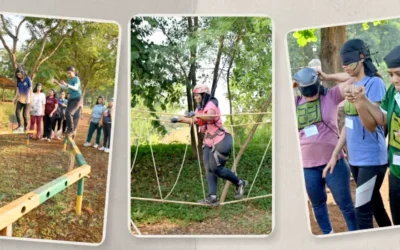
5 Principles of Experiential Learning? A Fresh Perspective on How People Truly Learn
Experiential learning, popularized by educational theorist David Kolb, is based on the idea that people learn best through direct experience, reflection, and application. But beyond the theory, this approach has become the foundation of modern corporate training, outdoor learning, and leadership development programs.
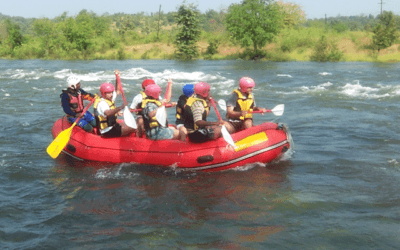
Why Outdoor Fitness Activities Are the Secret to Building High-Performance Teams
Outdoor physical exercise is one of the most powerful tools to build high-performance teams and develop authentic leadership qualities within any workforce.
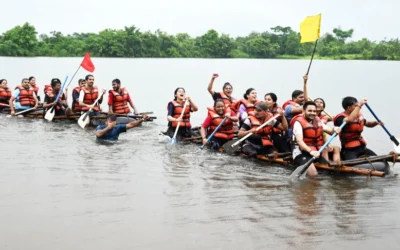
How Outdoor Physical Training Builds Stronger Teams and Smarter Leaders?
Outdoor environments stimulate the brain differently than indoor spaces. Fresh air, sunlight, and natural surroundings help activate cognitive functions, boost creativity, and reduce stress. Teams exposed to physical activities outdoors experience better focus and stronger problem-solving abilities.

Address:
Camp Office: 263, Sutarwadi, Taluka Roha, Distt Raigad, Maharashtra – 402 304.
Camp Site: Village Kudli, 14 Km Off Kolad, Taluka Roha, Distt Raigad, Maharashtra – 402 308.
Office Hours: 8 am to 8 pm