
Employee Engagement Ideas That Actually Work in 2026
Employee engagement strategy has quietly shifted over the past few years. The old playbook snacks, swag, an annual party has proven itself repeatedly to produce short-term goodwill and no lasting change in how connected people feel to their work. What’s replacing it isn’t more of the same at a bigger budget; it’s a more deliberate focus on genuine experience, autonomy, and connection. Here’s what’s actually moving the needle.
Rethink What “Engagement” Even Means
A lot of engagement strategy still implicitly treats engagement as a feeling to be manufactured make people happy enough, often enough, and engagement follows. In practice, engagement tracks more closely with a sense of purpose, autonomy, mastery, and belonging. That reframing matters because it points toward fundamentally different initiatives than “plan another fun event.”
Idea 1: Structured, Shared Challenges over Passive Perks
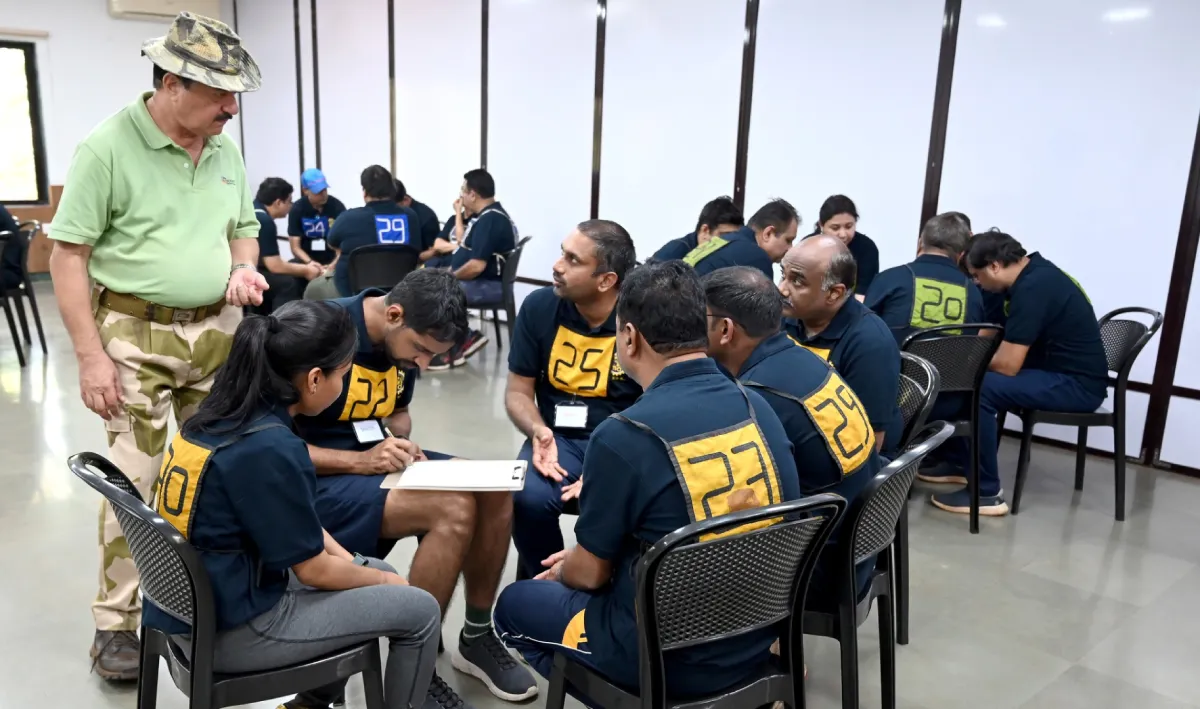
Passive perks free food, entertainment; parties create a pleasant moment that fades quickly. Shared challenges that require genuine collaboration create something stickier: a story people tell each other later, a reference point that gets brought up in unrelated conversations months afterward. Teams that have navigated an outdoor problem-solving challenge together, or built something under time pressure, tend to reference that experience in ways a catered lunch never gets referenced. This is a large part of why organisations are increasingly choosing experiential formats programs at destinations like our Kolad campus, built around real collaborative challenges over purely recreational offsites.
Idea 2: Give Real Decision-Making Ownership, Not Just Task Ownership
Engagement rises meaningfully when people have genuine input into decisions that affect their own work not just being assigned tasks, but having a say in how those tasks get approached. This doesn’t require a massive restructuring of authority; even small, consistent opportunities for teams to choose their own approach to a goal tend to noticeably increase how invested people feel.
Idea 3: Make Recognition Specific and Immediate
Generic recognition (“great job team!”) barely registers anymore, if it ever did. Specific recognition naming exactly what someone did and why it mattered, delivered close to when it happened is disproportionately more effective and it costs nothing beyond a manager’s attention and a bit of intentionality.
Idea 4: Break Down Hierarchy with Genuine Cross-Level Interaction
Junior employees rarely get unscripted access to senior leadership, and that distance quietly breeds disconnection from the bigger picture of the organisation. Structured but informal settings away from the usual office seating and status cues tend to close this gap faster than a formal town hall or Q&A session ever manages to. Shared physical or outdoor activities are particularly effective here, since hierarchy naturally flattens when everyone’s navigating the same challenge.
Idea 5: Build Regular, Honest Feedback Loops
Engagement erodes fastest in organisations where people feel unheard; particularly when they’ve raised concerns before and watched nothing change. Consistent, structured opportunities to surface friction and, critically, visible follow-through on at least some of what’s raised matter more for engagement than almost any single event-based initiative.
Idea 6: Invest in on boarding as an Engagement Lever, Not Just a Process
New hires who take months to feel like genuine members of the team represent a significant, quiet engagement cost. On boarding built around real shared experience structured induction programs with actual collaborative activities, not just orientation slides and scheduled coffee chats tends to accelerate genuine belonging significantly faster.
Idea 7: Treat Engagement as On-going, Not an Annual Event
The single biggest mistake in engagement strategy is compressing the entire effort into one annual initiative a big offsite, a major event followed by nothing for the rest of the year. Engagement behaves more like fitness than a vaccine; it needs consistent smaller reinforcement, not one large annual dose. That doesn’t mean constant expensive programming, but it does mean deliberately reinforcing whatever was built during a bigger intervention managers referencing specific moments in regular one-on-ones, recognition tied back to behaviours the team identified as valuable, leadership visibly modelling what was discussed.
Idea 8: Use Nature and Environment Deliberately
There’s a growing body of evidence that time spent in genuinely natural, outdoor environments reduces stress and improves openness and collaboration compared to standard office or indoor event settings. Organisations building engagement initiatives around outdoor, experiential formats rather than another indoor event in a hotel banquet hall tend to see a qualitatively different level of participation and lasting impact, in part because the environment itself signals “this is genuinely different” in a way that helps people actually lettheir guard down.
Idea 9: Design for Voluntary Participation, Not Mandatory Attendance
Engagement initiatives that feel compulsory tend to produce compliance, not genuine engagement. Where possible, build in genuine choice multiple activity options, opt-in elements and treat voluntary participation rates as one of the more honest signals of whether people actually feel connected, versus simply showing up because attendance is expected.
Idea 10: Connect Engagement Initiatives to Real Business Context
The most effective engagement programs aren’t disconnected feel-good events they’re tied to something real happening in the organisation: a merger that needs cross-team trust rebuilt, a leadership transition that needs new relationships formed, a period of rapid growth that needs new hires integrated quickly. Engagement initiatives designed around real organisational context tend to feel purposeful rather than performative, which measurably increases genuine buy-in from participants.
What Doesn’t Work Anymore (Even If It’s Still Common?)
Worth naming directly: generic annual parties with no connection to real team dynamics, engagement surveys with no visible follow-through, recognition programs that reward participation rather than specific meaningful contribution, and one-size-fits-all engagement calendars that don’t account for what’s actually happening in different teams. None of these are actively harmful, but they consume budget and goodwill while producing little lasting change which is arguably worse than doing nothing, since it also breeds scepticism about future initiatives.
A Practical Starting Point for 2026
If you’re rethinking your engagement strategy this year, resist the urge to plan a full annual calendar immediately. Start by identifying the team or department showing the clearest signs of disengagement, run one genuinely well-designed intervention ideally something built around real shared challenge and honest facilitation rather than passive entertainment and measure specific indicators before and after: participation rates, sentiment, attrition among your best people. A focused pilot that visibly works builds far more organisational buy-in for a broader engagement strategy than a scattered, company-wide initiative that tries to please everyone and ends up moving nothing.

Transforming teams from ordinary to extraordinary, one adventure at a time!

Outbound Training vs. Experiential Learning: How Corporate Teams Benefit from Hands-On Development
In the realm of corporate learning, two approaches have dramatically changed how organizations foster skill development and behavior change: outbound training and experiential learning. Though often used interchangeably, each offers distinctive benefits that,...

From Colleagues to Cohesive Teams: How We Transformed Collaboration Through Outbound Training
We recently had the opportunity to host an engaging and results-driven Corporate Outbound Training program for a reputed engineering services company at our 50-acre experiential learning campus in Kolad.

Why Corporate Offsite Outbound Training camps are key to Team Building & Leadership Development in India?
In an era where human capital defines competitive advantage, investing in offsite outbound training led by Army veterans is a smart, future-forward strategy.

Address:
Camp Office: 263, Sutarwadi, Taluka Roha, Distt Raigad, Maharashtra – 402 304.
Camp Site: Village Kudli, 14 Km Off Kolad, Taluka Roha, Distt Raigad, Maharashtra – 402 308.
Office Hours: 8 am to 8 pm