
From Conflict to Collaboration: The Power of Experiential Conflict Resolution
Workplace conflict is inevitable. Diverse teams bring diverse opinions, working styles, and expectations to the table. But while conflict is natural, unresolved conflict is costly. It impacts productivity, morale, retention, and even brand reputation. The question isn’t how to eliminate conflict — it’s how to transform it into collaboration.
That’s where Communication training specialization combined with experiential methods makes a measurable difference. Instead of addressing conflict in a classroom through theory-heavy sessions, experiential outbound training allows professionals to live through real-time challenges, reflect, recalibrate, and return stronger — together.
At Empower, this transformation happens not in boardrooms, but in dynamic outdoor environments designed to mirror workplace realities in a powerful, memorable way.
Why Workplace Conflict is Increasing and Why Traditional Training Falls Short
Modern organizations are fast-paced, cross-functional, and often hybrid. Teams work across time zones and cultures. Deadlines are tighter. Expectations are higher.
In such an ecosystem, common sources of conflict include:
Miscommunication
Lack of role clarity
Ego clashes
Leadership style differences
Stress and burnout
Resistance to change
Traditional training often addresses these through lectures, case studies, and role-plays. While valuable, they lack emotional intensity and real consequences. Participants may understand concepts intellectually but fail to apply them under pressure.
Conflict resolution cannot be mastered passively it must be practiced actively.
The Experiential Advantage: Learning Beyond the Classroom
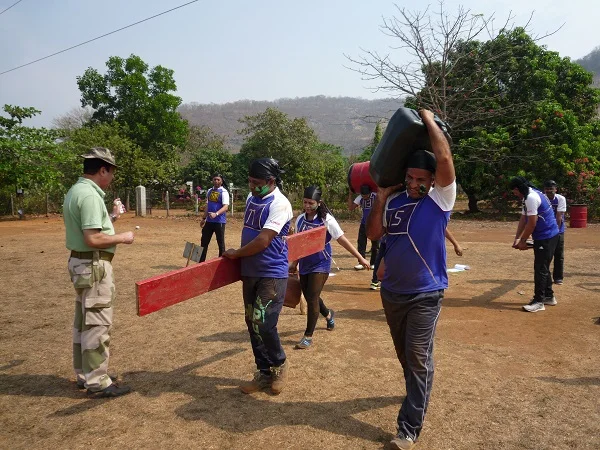
Experiential outbound training creates controlled high-pressure scenarios where participants must collaborate to succeed. Whether it’s solving a strategic outdoor challenge, navigating a time-bound task, or leading a group activity, the learning happens in real time.
In these situations:
Communication gaps become visible.
Leadership styles emerge naturally.
Emotional triggers surface.
Team dynamics play out transparently.
And most importantly feedback is immediate.
At Empower Activity Camps in Kolad, programs are carefully designed to simulate workplace conflicts in a safe but impactful way. The outdoor environment strips away hierarchy and comfort zones, allowing authentic behaviors to surface.
Communication Training Specialization: The Core of Conflict Transformation
Effective conflict resolution is impossible without strong communication frameworks. That’s why Communication training specialization forms the backbone of experiential programs at Empower.
Here’s what participants learn and practice:
1. Active Listening Under Pressure
During competitive or collaborative activities, teams quickly realize that half-heard instructions lead to failure. This reinforces the importance of:
Clarifying assumptions
Listening without interruption
Asking powerful questions
2. Assertive Yet Respectful Expression
Participants practice articulating ideas confidently without overpowering others. They learn the difference between:
Aggression
Passivity
Assertiveness
3. Emotional Regulation
Conflict escalates when emotions take control. Experiential activities often trigger stress responses — which become learning moments for:
Managing frustration
Controlling tone and body language
Responding instead of reacting
4. Structured Feedback Techniques
Post-activity debriefs introduce structured reflection methods that participants can directly apply in workplace discussions.
Turning Conflict into Collaboration: The Learning Journey
Experiential conflict resolution follows a powerful sequence:
Experience: Teams face a challenge that requires collaboration.
Breakdown: Miscommunication, dominance, or lack of clarity creates friction.
Reflection: Facilitators guide participants to analyze what happened.
Insight: Individuals identify their communication patterns and triggers.
Application: Teams rebuild strategies with improved collaboration.
This cycle ensures learning is internalized not just understood.
How Experiential Outbound Training Builds Long-Term Behavioral Change
The biggest strength of experiential outbound training lies in its ability to create emotional memory.
When professionals feel the cost of poor communication during an activity, the lesson stays with them longer than any slide presentation ever could.
Here’s how it drives lasting impact:
Breaks silos by encouraging cross-functional collaboration
Builds empathy through shared vulnerability
Encourages accountability within teams
Strengthens trust through mutual dependence
Develops adaptive leadership
Because participants experience both failure and success together, they return to the workplace with renewed understanding and shared language.
Why Environment Matters in Conflict Resolution Training
Conflict often thrives in rigid, hierarchical settings. Changing the environment shifts the energy.
Empower Activity Camps in Kolad offers structured experiential outbound training designed to align teams with business objectives, strengthen leadership capabilities, and build measurable performance outcomes.
Being away from office settings allows:
Honest conversations
Equal participation across levels
Reduced defensiveness
Faster trust-building
Nature has a subtle but powerful role in reducing stress and encouraging openness — essential elements for conflict transformation.
The Business Impact of Experiential Conflict Resolution
Organizations that invest in structured conflict resolution training often see measurable improvements in:
Productivity: Less time spent in unresolved disputes.
Engagement: Employees feel heard and valued.
Leadership Development: Managers learn to navigate difficult conversations effectively.
Retention: Healthy communication reduces attrition.
Cross-Functional Alignment: Departments collaborate instead of compete.
When communication improves, everything improves from decision-making speed to innovation quality.
Who Benefits Most from This Approach?
Experiential conflict resolution is especially impactful for:
Senior leadership teams
Cross-functional project groups
Newly merged teams
High-growth startups
Organizations undergoing transformation
For C-suite leaders, it builds alignment and strategic clarity. For middle management, it enhances influence and people management skills. For teams, it creates psychological safety.
Integrating Learning Back Into the Workplace
A well-designed program does not end at the campsite.
Participants are guided to:
Develop personal action commitments
Identify workplace conflict patterns
Create team communication agreements
Set measurable collaboration goals
This ensures experiential learning translates into organizational growth.
Beyond Team Building: A Strategic Intervention
Many organizations still view outbound programs as recreational team outings. However, when structured properly with Communication training specialization at the core, these programs become strategic interventions.
They:
Address root causes of interpersonal friction
Build conflict-ready leadership pipelines
Strengthen cultural alignment
Enhance emotional intelligence across levels
Conflict, when managed well, becomes a catalyst for innovation and stronger decision-making.
Elevate Your Team From Conflict to Collaboration
If your organization is navigating growth, restructuring, leadership transitions, or cultural transformation, experiential conflict resolution can become your competitive advantage.
Empower your teams to communicate with clarity. Equip your leaders to handle difficult conversations. Transform friction into fuel for performance.
Explore structured experiential outbound training programs at Empower and take the first step toward building collaborative, resilient, high-performing teams that don’t avoid conflict but master it.

Transforming teams from ordinary to extraordinary, one adventure at a time!
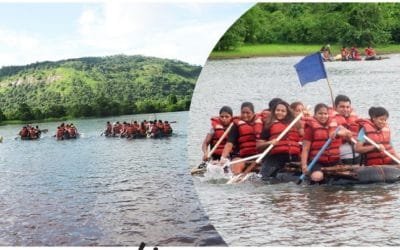
Why Kolad Is the Best Destination for Corporate Outbound Training
Empower Activity Camps in Kolad offers structured corporate outbound training in Kolad designed to align teams with business objectives, strengthen leadership capabilities, and build measurable performance outcomes.
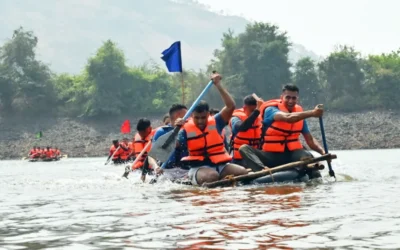
Team Building Activities that actually Improve Productivity
Empower Activity Camps offers structured team building activities for employees that integrate experiential learning, strategic reflection, and performance alignment.
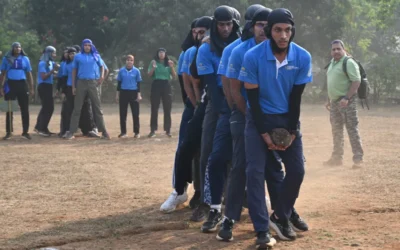
The ROI of Experiential Learning: Is Outbound Training Worth It?
Ready to Evaluate the Real ROI for Your Organization? If your organization is committed to measurable growth, stronger leadership pipelines, and sustainable team performance, it may be time to rethink how learning is delivered.

Address:
Camp Office: 263, Sutarwadi,
Taluka Roha, Distt Raigad, Maharashtra – 402 304.
Camp Site: Village Kudli,
14 Km Off Kolad, Taluka Roha, Distt Raigad, Maharashtra – 402 308.
Office Hours: 8 am to 8 pm