
Beyond Policies & Perks: Why Corporate Culture Defines Success and How Outbound Training Strengthens It
Corporate culture isn’t just an internal value — it’s a strategic advantage. Organizations with a strong, positive work culture attract better talent, achieve higher productivity, retain employees longer, and exhibit greater innovation. In fact, several studies show that companies with healthy cultures outperform their competitors by nearly 20–30% across performance indicators such as engagement, profitability, and customer satisfaction.
But cultivating a strong corporate culture doesn’t happen by accident. It requires intentional practices, experiential learning, and initiatives that allow employees to bond, communicate, and grow together.
This is where Outbound Corporate Training steps in as a powerful catalyst.
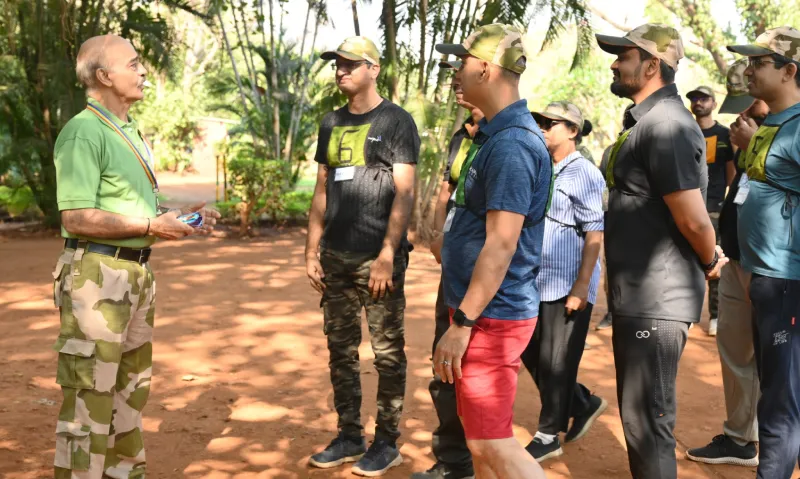
Corporate culture isn’t just an internal value – it’s a strategic advantage. Organizations with a strong, positive work culture attract better talent, achieve higher productivity, retain employees longer, and exhibit greater innovation. In fact, several studies show that companies with healthy cultures outperform their competitors by nearly 20–30% across performance indicators such as engagement, profitability, and customer satisfaction.
But cultivating a strong corporate culture doesn’t happen by accident. It requires intentional practices, experiential learning, and initiatives that allow employees to bond, communicate, and grow together.
This is where Outbound Corporate Training steps in as a powerful catalyst.
How Outbound Corporate Training Helps Strengthen Corporate Culture
Outbound Corporate Training (OBT) is built on experiential learning – learning through action, reflection, and real-time problem-solving. When teams step outside the workplace, they break patterns, observe one another in new contexts, and build deeper connections.
Here’s how OBT directly supports and strengthens corporate culture:
1. Encourages Real Interaction Beyond Hierarchies
Outdoor environments remove formal barriers. Employees and leaders collaborate on equal footing during activities like rafting, trekking, rope challenges, or strategic simulations.
This promotes humility, openness, and mutual respect – the foundations of a healthy culture.
2. Builds Trust Through Shared Experiences
Trust grows when teams navigate challenges together. Activities like obstacle courses or problem-solving tasks require teamwork, communication, and reliance on one another. These experiences create trust reservoirs that flow back into day-to-day work.
3. Reinforces Organizational Values Practically
Values such as integrity, innovation, resilience, and collaboration come alive in experiential activities. Participants don’t just hear about values – they live them.
This practical reinforcement helps organizations deeply embed cultural principles.
4. Enhances Communication and Conflict Resolution
Outdoor activities naturally highlight communication gaps, leadership styles, and team dynamics. With guided reflections, employees learn effective communication, active listening, and conflict resolution – strengthening interpersonal culture.
5. Boosts Motivation and a Sense of Belonging
Shared achievements create emotional bonds. When employees succeed together in an outdoor setting, they feel united and energized. This sense of belonging is a core driver of strong corporate culture.
6. Encourages a Growth Mindset
OBT puts individuals in new situations, pushing them beyond comfort zones. This nurtures adaptability, resilience, and a learning-oriented mindset – elements that define progressive corporate cultures.
7. Creates a Positive Work Environment
A culture built on positivity, collaboration, and wellness leads to increased productivity and morale. Outdoor programs help reduce stress, enhance mental clarity, and stimulate creativity – improving the overall work atmosphere.
Culture Is Built by People – Strengthen Them Through Experience
Corporate culture is not built by policies, HR documents, or motivational posters. It is built when people connect, learn, reflect, and grow together.
Outbound Corporate Training provides that environment – a space where teams rediscover trust, leadership, unity, and a shared sense of purpose.
In a world where culture defines who thrives and who falls behind, investing in experiential, outdoor learning is no longer optional – it is essential.

Transforming teams from ordinary to extraordinary, one adventure at a time!
How Offsites Transform Communication and Collaboration
Why the Best Teams Are Built Outside the Office In today’s fast-moving corporate environment, communication gaps and collaboration challenges are among the biggest obstacles to organizational success. Teams often work in silos, meetings become transactional, and...
Team Building Activities that Truly Transform the Workplace
Beyond Bonding: Team Building Activities That Truly Transform the Workplace In many organizations, team building is often treated as a once-a-year event a break from routine filled with games, laughter, and temporary excitement. While these moments may create...
How Corporate Team Building Outbound Training Creates Stronger Leaders, Smarter Teams, and Lasting Workplace Transformation
corporate team building outbound training stands apart from conventional learning methods. When designed with experiential learning principles, outbound programs create measurable behavioral shifts that improve team performance, strengthen workplace relationships, and accelerate leadership development.

Address:
Camp Office: 263, Sutarwadi,
Taluka Roha, Distt Raigad, Maharashtra – 402 304.
Camp Site: Village Kudli,
14 Km Off Kolad, Taluka Roha, Distt Raigad, Maharashtra – 402 308.
Office Hours: 8 am to 8 pm